Pulper reject dewatering: process, equipment and results for paper mills
Pulper reject dewatering helps paper mills reduce the weight and volume of wet rejects before transport, disposal or energy recovery. For recycled fibre lines, the goal is not only to remove water, but to make paper mill reject handling cleaner, more efficient and easier to manage.
Pulper reject is one of the most difficult residual streams in paper recycling. It is wet, heterogeneous and often expensive to move or dispose of.
A dewatering press for pulper reject separates part of the liquid fraction from the solid material through compaction and squeezing. The result is a drier, more manageable output that can support lower transport costs, better storage and, where suitable, more efficient energy recovery.
What is pulper reject?
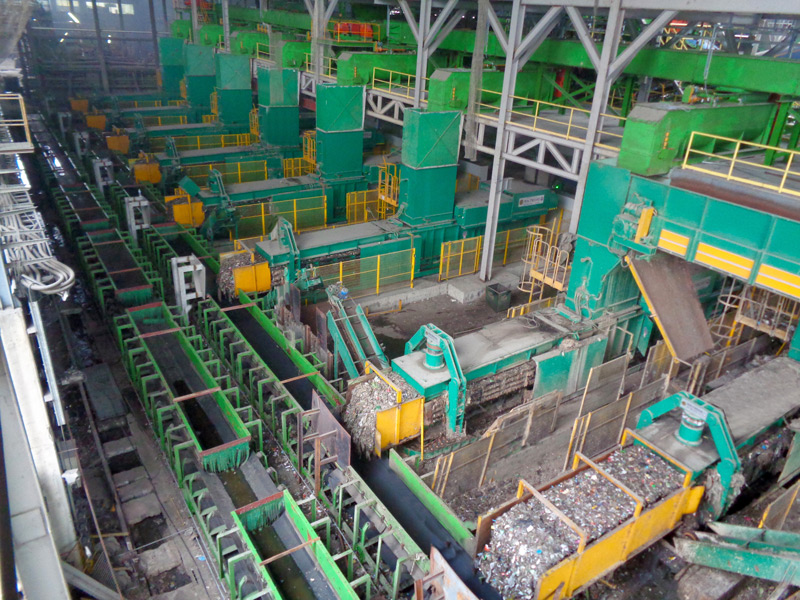
Pulper reject is the residual material removed during the recycling of recovered paper. It usually contains materials that cannot return to the paper production process, such as plastics, fibres, metals, glass, sand and other non-paper fractions.
This material is generated because recovered paper always contains impurities. During pulping, the usable fibre is separated from the unwanted material. The remaining reject must then be handled, treated and sent to the most appropriate destination.
For paper mills, this is not a secondary issue. Wet pulper reject handling affects storage, internal logistics, transport, disposal costs and the overall efficiency of the recycling line.
Why pulper reject is difficult to manage
The main problem is water.
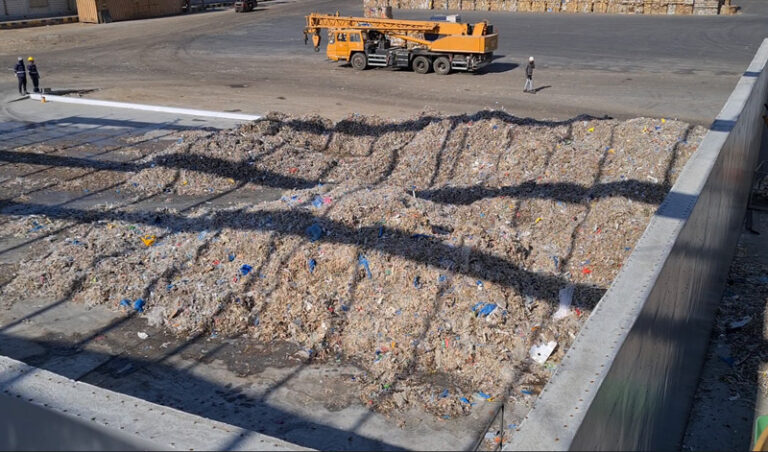
Wet pulper reject is heavier, takes up more space and is harder to handle. When the reject leaves the mill with a high liquid content, the plant is also moving water that has already been used in the production process.
This creates several practical issues:
- higher transport weight
- more difficult storage
- possible leakage during handling
- higher disposal or treatment costs
- lower efficiency when the material is sent to energy recovery
Energy recovery can be an option for part of this stream, but high moisture content reduces the efficiency of combustion. Landfill is still used in some cases, but it presents environmental and cost limitations.
For this reason, paper pulper reject treatment should be considered before the material leaves the mill.
How pulper reject dewatering works
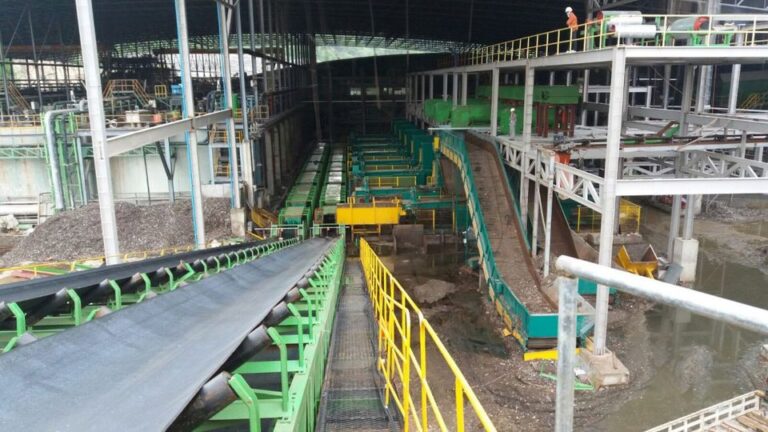
Pulper reject dewatering is based on a simple principle: separate part of the liquid component from the solid material before the reject is transported or disposed of.
In industrial applications, this can be done through different technologies, including screw presses, reject compactors, belt systems and high-power dewatering baling presses.
The objective is not the same in every paper mill. Some plants need to reduce transport costs. Others need better control of wastewater, cleaner reject handling or a drier material for energy recovery.
This is why the choice of pulper reject dewatering equipment depends on the real characteristics of the reject stream.
Key variables to evaluate
Before selecting a paper mill reject dewatering system, the plant should assess:
- reject composition
- moisture content
- particle size
- presence of abrasive materials
- required treatment capacity
- available space
- target destination of the dewatered reject
- integration with existing conveyors, pulpers and waste handling lines
Dewatering technologies for paper mill reject
Different systems can be used for paper reject water removal. Each has a different role and should be evaluated according to the type of material and the capacity required.
Screw press for paper reject
A screw press is suitable for continuous reject streams with relatively consistent material composition and limited space availability. It is generally used when the main objective is to separate water from paper reject through a compact, continuous dewatering process.
The achievable dryness depends on the actual reject stream, including moisture content, fibre content and mixed contaminants. For this reason, the system should be evaluated on real material samples rather than on generic performance values.
Reject compactor for paper mills
A reject compactor is suitable when the paper mill needs to reduce the volume and weight of loose pulper rejects before transport, disposal or further treatment. It is generally used for wet reject streams coming from recycled fibre lines, including coarse pulper rejects, pulper rags and light rejects from screening stages.
This type of equipment is relevant when the reject stream contains mixed materials and the main objective is to obtain a more compact, easier-to-handle output. The final result depends on material composition, moisture content and the level of compaction required by the plant.
Dewatering baling press
A dewatering baling press is suitable when the paper mill needs a more robust solution for large volumes of wet reject and wants to combine liquid separation with strong mechanical compaction.
For Macpresse, this is the most relevant positioning area. The MAC/DW system is presented for paper mill waste and pulper reject management, with the objective of reducing weight and volume, improving transport efficiency and supporting waste management. Macpresse reports a 40% waste weight reduction in the Arab Paper case with a Macpresse 111DW press, so that figure should remain tied to that specific case.
Pulper reject dewatering with Macpresse
Macpresse MAC/DW presses are designed to separate the liquid component from solid materials in demanding industrial environments. In the paper industry, they are used for paper mill pulper reject where water content can be high and where weight reduction directly affects handling and transport.
The process helps transform a wet and difficult waste stream into a more compact material. This can support:
- lower transport weight
- lower volume before disposal
- cleaner internal handling
- improved storage
- better preparation for energy recovery, when applicable
- possible recovery and treatment of separated water
Macpresse reports that the use of a Macpresse 111DW press at Arab Paper reduced the weight of waste by 40%, together with a significant reduction in volume. This figure should be used only in relation to that specific case study, not as a universal result for every plant.
When dewatering is the right solution
Pulper reject dewatering is worth evaluating when a paper mill has a continuous reject stream with high water content and relevant transport or disposal costs.
It is especially relevant when the plant needs to improve:
- wet pulper reject handling
- paper mill waste dewatering
- rejected material storage
- transport efficiency
- energy recovery preparation
- reject volume reduction
- process water management
The exact result depends on the incoming material. No dewatering system should be selected only on the basis of a generic dry matter target. The correct approach is to test the material, define the target output and evaluate the full line around the dewatering phase.
What to check before choosing pulper reject dewatering equipment
A good technical assessment should answer a few direct questions.
What is the real composition of the reject?
Pulper reject is not identical in every paper mill. It can include different percentages of plastic, fibre, metals, sand, glass and other contaminants. This affects wear, separation efficiency and the final output.
How wet is the material before treatment?
The higher the moisture content, the more important paper reject water removal becomes.
Where will the dewatered reject go?
The destination matters. Material sent to landfill, energy recovery or further treatment may require different output conditions.
What capacity is required?
The equipment must be sized according to the real flow of the paper mill, not only according to peak expectations.
How will the press integrate with the existing line?
Conveyors, feeding systems, liquid collection, storage areas and maintenance access should be considered before choosing the equipment.
Why this matters for paper mills
Pulper reject dewatering is not only a waste treatment step. It is part of the economics of recycled fibre production.
If the reject remains too wet, the mill ends up transporting excess water instead of only solid waste. If the material is not compacted, it requires more storage space and increases handling and transport inefficiencies.
A properly designed dewatering line helps make the residual stream more predictable. For plant managers, this means better control over the reject after it leaves the pulper.
Talk to Macpresse about your pulper reject stream
Every paper mill has a different reject composition, treatment capacity and final destination for the material.
Macpresse can evaluate the characteristics of the stream and help define the most suitable dewatering configuration for the plant, from material handling to press integration and liquid collection.
Send to our technician the basic parameters of your reject stream: composition, estimated throughput and current disposal method.
The team will evaluate which dewatering configuration fits your paper mill line.